Clearing renovation waste from Merton terraces quickly
Posted on 18/06/2026

Renovating a terrace in Merton can feel brilliantly exciting right up until the skips, offcuts, rubble, broken tiles, and packaging start taking over the hallway, front path, and maybe half the street. If you are trying to get back to normal fast, clearing renovation waste from Merton terraces quickly is not just about tidiness. It is about keeping access open, avoiding neighbour friction, staying on the right side of disposal rules, and keeping the project moving.
Terraced homes bring their own little challenges. Narrow front gardens, shared pavements, limited parking, and stairs that seem to multiply when you are carrying plasterboard or old kitchen units. Truth be told, the waste itself is often the easy bit. The real issue is getting it out without turning the property into a bottleneck. This guide walks through what matters, how the process works, and the practical decisions that save time on a busy Merton renovation.
You will also find a realistic checklist, a comparison of disposal options, and a few local-minded tips that make life easier when the dust is still settling and the kettle is in a temporary box somewhere under the stairs.
- Why it matters
- How the process works
- Benefits and practical advantages
- Who this is for
- Step-by-step guidance
- Expert tips
- Common mistakes to avoid
- Tools, resources and recommendations
- Law, compliance and best practice
- Options and comparison table
- Case study
- Practical checklist
- Conclusion
- Frequently asked questions
Why Clearing renovation waste from Merton terraces quickly Matters
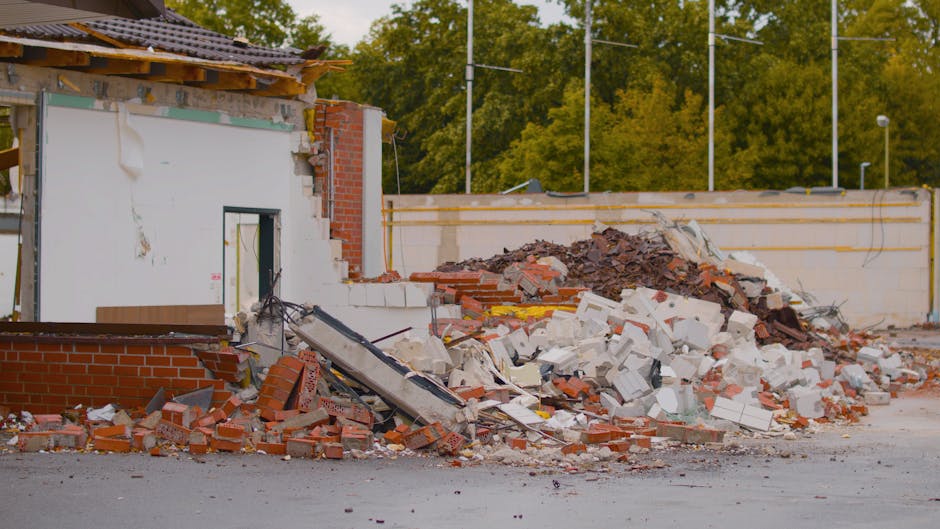
A terrace renovation rarely stays neat for long. One day you have an old bathroom suite by the wall, the next there are plaster fragments, timber offcuts, radiators, underlay, broken cabinetry, and a small mountain of packaging. In a terrace, that pile can crowd the front path or spill into the street sooner than you expect. That is why speed matters.
Fast waste clearance protects more than appearances. It helps keep trades working efficiently, reduces trip hazards, and makes it easier to move materials in and out of the property. If plasterboard and rubble sit around too long, they get in the way of the next phase. The plumber waits. The decorator waits. You wait. And somehow the project that was supposed to be a simple refresh starts behaving like a relay race with no baton.
There is also the neighbourhood factor. Merton terraces often sit close together, with limited frontage and busy daily foot traffic. A neat, well-managed clearance is kinder to neighbours and far less likely to attract complaints. That is especially useful if you are renovating while living in the property, because the last thing anyone wants at 7:30 on a Tuesday morning is a blocked pavement and a bad mood.
Quick clearance also reduces the chance of unsafe storage indoors. Wet plaster, sharp metal edging, and heavy broken materials can create real hazards if they are left in passageways, kitchens, or lofts. A tidy process is not just efficient. It is safer.
Expert summary: In terrace renovations, the fastest waste strategy is usually the one that combines sorted materials, easy access, and prompt collection. The less waste moves around the house, the smoother the whole project feels.
How Clearing renovation waste from Merton terraces quickly Works
The basic process is straightforward, but the details matter. Renovation waste is usually collected, sorted, loaded, and taken for appropriate disposal or recycling. The speed comes from planning the handoff between each stage so nothing sits waiting longer than necessary.
1. Identify the waste types early
Before anything is removed, you need a sense of what you are dealing with. Renovation waste can include mixed building debris, plasterboard, tiles, timber, metal, old fixtures, packaging, soil from small landscaping jobs, and bulky items like cabinets or worktops. These categories matter because some materials are better separated for recycling, while others need careful handling.
2. Make the route out of the property as simple as possible
Terraces often have narrow corridors, front steps, and limited turning space. If the route is cluttered, loading takes far longer than it should. The fastest clearances usually happen when waste is staged near the exit in manageable piles and anything fragile or sharp is wrapped or contained.
3. Choose the right collection method
For a small job, a few bulky items might be fine in one visit. For a full renovation, mixed waste collection or builders' waste disposal is often more efficient. If you are removing lots of heavy rubble, a method suited to construction waste tends to be the sensible choice. If the project is lighter, a flexible waste collection service may be enough. You do not need a dramatic solution; you need the right one.
4. Load, transport, and sort responsibly
Once waste is collected, it should be handled in line with responsible disposal practices, with recyclable materials separated where possible and non-recyclable waste directed to appropriate facilities. This is where a good operator saves time for you because you are not having to guess what goes where.
5. Finish with a sweep-through
The final stage is often overlooked. A quick sweep of the front path, hallway, and work zone makes the property ready for the next trade or for normal living again. It sounds minor. It is not. A clean exit area is what makes the whole process feel finished.
Key Benefits and Practical Advantages
There are obvious benefits to clearing renovation waste quickly, but the best ones are practical rather than flashy. They show up in the day-to-day flow of the job.
- Faster project progress: Trades can work without moving around piles of waste.
- Better safety: Fewer sharp edges, loose boards, and slip hazards in circulation areas.
- Cleaner curb appeal: A terrace looks less chaotic from the street, which matters more than people admit.
- Reduced neighbour disruption: Less clutter on pavements and less noise from repeated handling.
- Less stress: You are not spending every evening wondering where to put the next batch of rubble.
- More efficient recycling: Segregated waste is easier to direct into the right stream.
Another benefit that often gets missed: quicker clearance helps with decision-making. When old fixtures and broken materials disappear promptly, you can see the finished space taking shape. That makes it easier to confirm measurements, order replacements, and avoid the classic renovation trap of buying something twice because the first choice was made in a haze of dust.
And yes, there is a psychological lift in seeing the mess reduced. A terrace can feel tiny when it is full of debris. The same house can feel surprisingly roomy once the waste is gone.
Who This Is For and When It Makes Sense
This approach is useful for a wide range of people. You might be replacing a kitchen in a Victorian terrace, knocking out an old bathroom, redoing floors, or clearing out a front room after plastering and rewiring. In all of those scenarios, rapid waste removal keeps the job sane.
It is especially relevant if you are:
- renovating a lived-in terrace and need access kept open;
- working to a tight handover deadline;
- managing trades in a small footprint with little storage space;
- dealing with heavy or awkward materials such as rubble, cabinets, tiles, or radiators;
- trying to avoid leaving waste in view for days on end;
- keeping a property presentable during a sale, move, or rental turnaround.
If you are in the middle of a purchase or refurbishment planning stage, local context can matter too. Anyone weighing up a move in the area may also find the broader property perspective useful, including buying homes in Merton essentials and Merton real estate smart buying tips, especially if renovation work is part of the plan from day one.
Sometimes the trigger is simple. A builder finishes early, and the debris suddenly needs to go. Sometimes it is more awkward. A hallway is full, family life is continuing around the project, and the house starts feeling like a storage unit with radiators. Been there, or at least most renovators have.
Step-by-Step Guidance
If you want to clear renovation waste quickly without creating chaos, this sequence usually works well.
- Pause and sort the waste by type. Put rubble, timber, metal, old fittings, packaging, and general mixed waste into separate piles if possible.
- Remove obvious hazards first. Nails, broken glass, sharp tile edges, and protruding screws should be dealt with straight away.
- Clear a loading route. Open the main path from the work area to the front door. If waste has to pass through a hallway, keep that route completely clear.
- Bag or bundle smaller items. Loose bits slow everything down. Put them into sturdy sacks or tie them securely into manageable bundles.
- Group heavy items near the exit. Do not drag them across the property multiple times. That is where damage and delays creep in.
- Check what needs special handling. Some renovation waste, like plasterboard or certain fixtures, may need to be separated rather than tossed in with everything else.
- Book collection at the right moment. Ideally, it should happen after a meaningful portion of the waste is ready, not when you have only one bag and a lot of optimism.
- Do a final sweep. Once the main waste is gone, check corners, steps, and the pavement edge for loose fragments.
A good rhythm is to clear as you go rather than waiting for the renovation to finish. For example, if a kitchen is being ripped out, remove the debris from the first day before the next day's work begins. That small discipline can shave off a surprising amount of friction.
If the job is urgent, you may also want to consider a same-day collection approach. For example, same-day rubbish removal in Merton can be useful when the site needs to be reset quickly. In a terrace, quick turnover often makes the difference between an organised renovation and a cramped one.
Expert Tips for Better Results
These are the small decisions that tend to save the most time.
Keep the biggest items moving first
Old cabinets, broken worktops, and bulky bathroom units usually create the biggest bottlenecks. Get them out before you start fine sorting everything else. That makes the property feel lighter almost immediately.
Use the front of the house like a staging point, not a dumping ground
A terrace front path can either help or hinder the process. A neat, temporary staging area is useful. A sprawling pile is not. There is a difference, and it shows.
Protect the walls and flooring on the way out
One scratched bannister or cracked tile step can undo some of the savings from doing things quickly. Blankets, boards, and a bit of route planning are worth it. A five-minute protection job now can save a longer repair later.
Separate clean recyclable material where practical
Timber, metal, and some packaging materials are often easier to manage if kept apart from mixed rubble. It does not need to be perfect. It just needs to be thoughtful enough to avoid making the whole load more difficult than it has to be.
Build in one extra collection window
Renovations have a habit of producing one more bag than expected. Always. If you plan a rigid clean-up with no margin, the last pile tends to linger. Slightly frustrating, but very normal.
For people wanting a cleaner, more sustainable disposal approach, it can help to review a provider's recycling and sustainability approach before booking. The practical point is simple: quicker should still mean responsible.

Common Mistakes to Avoid
Most delays in terrace clearances come from a handful of avoidable mistakes. The good news is that once you spot them, they are easy to fix next time.
- Leaving waste until the very end: This is the classic one. The property becomes overcrowded and awkward to work in.
- Mixing everything together: Mixed loads are often harder to sort and can slow down disposal.
- Blocking the route out: If the hallway or front path is cramped, the whole process becomes slower and less safe.
- Ignoring heavy items until last: That just means more labour when everyone is tired.
- Forgetting access constraints: Terraces with narrow entrances, parked cars, or shared spaces need a bit of planning.
- Assuming all waste is handled the same way: Some materials need special treatment. It is better to check than guess.
- Choosing speed over compliance: Quick is good. Fly-tipping, illegal dumping, or careless disposal is not.
If you are trying to avoid trouble and unnecessary stress, it is worth reading up on common risk areas like avoid flytipping fines in Merton common triggers. Nobody wants a renovation to end with an avoidable headache, and to be fair, that kind of mistake is much more common than people think.
Another one worth mentioning: do not leave mattresses, old sofas, or broken cabinets sitting around because they feel awkward to move. Large items are exactly the things that can bog down a terrace renovation if they are not dealt with promptly. If that is part of the job, see mattress disposal options in Merton for a useful reference point.
Tools, Resources and Recommendations
You do not need a warehouse of kit to clear renovation waste efficiently, but a few simple tools make a real difference.
- Heavy-duty rubble sacks: Better than thin bags that split halfway down the steps.
- Work gloves: Essential for sharp edges, splinters, and dusty materials.
- Tape and twine: Handy for bundling timber, pipe offcuts, or broken trim.
- Dust sheets or blankets: Useful for protecting narrow hallways and staircase corners.
- Basic broom and shovel: A final sweep keeps the job neat and safer.
- Wheelbarrow or sack barrow: Helpful if the route allows it and the load is heavy.
For broader guidance on the service types that can help during a renovation, the services overview is a useful starting point. If your project generates more construction-heavy debris than expected, builders' waste disposal in Merton is the kind of service that usually fits the job better than a general tidy-up.
If the renovation also spills into replacing worn furniture, old beds, or bulky domestic items, related pages such as furniture disposal in Merton and waste collection in Merton can help you think through the right route. Sometimes the real challenge is not the rubble, it is the mix of random household items that appear once the walls are open.
Law, Compliance, Standards, or Best Practice
Renovation waste should be handled responsibly. In the UK, that means using a lawful disposal route, making sure waste is transferred to someone who can handle it properly, and avoiding anything that looks like fly-tipping or informal dumping. The exact paperwork and responsibilities can vary depending on the situation, so if you are unsure, treat caution as your friend.
There are a few practical best-practice principles worth sticking to:
- Use a reputable disposal route: Don't hand waste to anyone who cannot clearly explain where it is going.
- Keep records where appropriate: For larger jobs, keeping a note of what was removed and when is sensible.
- Separate hazardous or awkward materials: If something may need special treatment, ask first rather than forcing it into a mixed load.
- Respect neighbours and access routes: A clean pavement and sensible loading schedule goes a long way.
- Check insurance and safety practices: Particularly if heavy lifting, stairs, or awkward access are involved.
If you want reassurance on operational standards, insurance and safety is a sensible page to review before arranging a collection. It is one of those things that feels unexciting until something goes wrong, and then suddenly it is the most exciting page on the internet.
For customers who value transparency around payment handling, payment and security can help build confidence before making a booking. And if you like to understand how a company works behind the scenes, about us is often worth a glance too.
One more practical note: if you are comparing providers, check terms carefully. The small print matters more than people want to admit, especially when access, timing, or load size is tight. The terms and conditions page can be useful for that sort of review.
Options, Methods, or Comparison Table
Not every terrace renovation needs the same clearance method. The right option depends on volume, access, urgency, and how much sorting you want to do yourself.
| Method | Best for | Pros | Watch-outs |
|---|---|---|---|
| Self-loading and local disposal | Very small volumes | Simple for a few items, flexible timing | Time-consuming, physically demanding, easy to get wrong |
| Skip hire | Larger jobs with space outside | Good for ongoing renovation work | Can be awkward on narrow terrace streets and may need permits or access planning |
| Man and van style waste collection | Quick clearances, mixed loads, limited access | Fast, flexible, less disruption on-site | Best when the load is ready to go; poor sorting slows things down |
| Builders' waste removal | Kitchen, bathroom, structural or refurbishment waste | Better suited to rubble, timber, and construction debris | Needs some waste separation and clear access planning |
For most terrace projects in Merton, the sweet spot is usually a quick, organised collection rather than trying to store everything on-site. If your renovation is running on a tight schedule, time really is the currency here.
Case Study or Real-World Example
Here is a common kind of scenario. A couple starts renovating a mid-terrace in Merton. The kitchen has come out, the old floor is up, and there is a stack of cabinets, bags of rubble, broken tiles, and cardboard packaging squeezed into a front room. The hallway is narrow, the house is still being lived in, and every trip from the kitchen to the front door requires a little dance around tools and dust sheets.
They initially think they can store the waste for a week. By day two, that feels optimistic. By day three, it feels a bit silly. The front room becomes unusable, the trades are slowed down, and they realise the waste is now dictating the pace of the renovation.
The fix is not dramatic. First, they separate the heavier rubble and the bulky cabinet pieces. Then they clear the route from kitchen to door, protect the staircase edge, and arrange a prompt collection rather than waiting for the "right" moment, which in renovation language can mean never. The result is not just a cleaner property. The job itself speeds up because the next trades can work without obstacle course conditions.
That is the pattern you see again and again. A tidy, timely clearance does not just remove rubbish. It restores momentum. And momentum matters on a terrace where every square metre counts.
Practical Checklist
Use this quick checklist before collection day. It keeps things moving and saves the sort of last-minute scrabble that no one enjoys.
- Have all waste types identified and roughly sorted
- Keep the main route from work area to exit completely clear
- Bundle or bag loose items so nothing scatters
- Separate any awkward or special materials
- Protect floors, walls, and bannisters where needed
- Group heavy items near the exit for faster loading
- Check access restrictions, parking issues, and timing
- Confirm what is included in the collection
- Plan a final sweep-up after removal
- Keep payment, terms, and safety details handy
If you want a final calm-down step, look at the booking details and think through the timing one last time. It sounds small, but it helps. A lot.
Get a free quote today and see how much you can save.
Conclusion
Clearing renovation waste from Merton terraces quickly is really about keeping control of the job. When waste is sorted early, access stays open, the property remains safer, and the rest of the renovation can breathe a little. That matters in terraces, where space is tight and delays are felt immediately.
The best approach is usually simple: plan the route, separate the load where practical, choose a disposal method that matches the volume and urgency, and avoid letting the mess dictate the pace of the project. Do that, and the whole renovation feels more manageable. Less frantic. More finishable, if that makes sense.
And if the pile looks impossible today, it probably is not. One sensible collection at the right moment can change the whole mood of the house. Small win, big relief.
 Tipper Van - Rubbish Collection and Waste Collection Prices in Merton, SW19
 Luton Van - Rubbish Collection and Waste Collection Prices in Merton, SW19


