Where to leave bulky waste in Wimbledon SW19, Merton
Posted on 10/10/2026
Where to leave bulky waste in Wimbledon SW19, Merton: a practical local guide
If you have an old sofa blocking the hallway, a broken wardrobe in the spare room, or garden items that no longer fit in the shed, you are not alone. Figuring out where to leave bulky waste in Wimbledon SW19, Merton can feel straightforward at first, then oddly confusing once you start looking at council rules, access restrictions, item size, and whether the waste can be recycled. The good news is that there are clear, sensible options once you know what to look for.
This guide explains the most practical ways to deal with bulky household items in Wimbledon and the wider Merton area. You will learn how bulky waste collection typically works, when it makes sense to use a specialist service, what mistakes to avoid, and how to choose the safest, cleanest option for your situation. If you are planning a larger clear-out, it may also help to review the wider waste collection services available in Merton so you can match the method to the job rather than forcing everything into one solution.
Truth be told, bulky waste is one of those jobs people put off until it starts to take over the room. Then it becomes urgent. The aim here is to make the next step obvious.
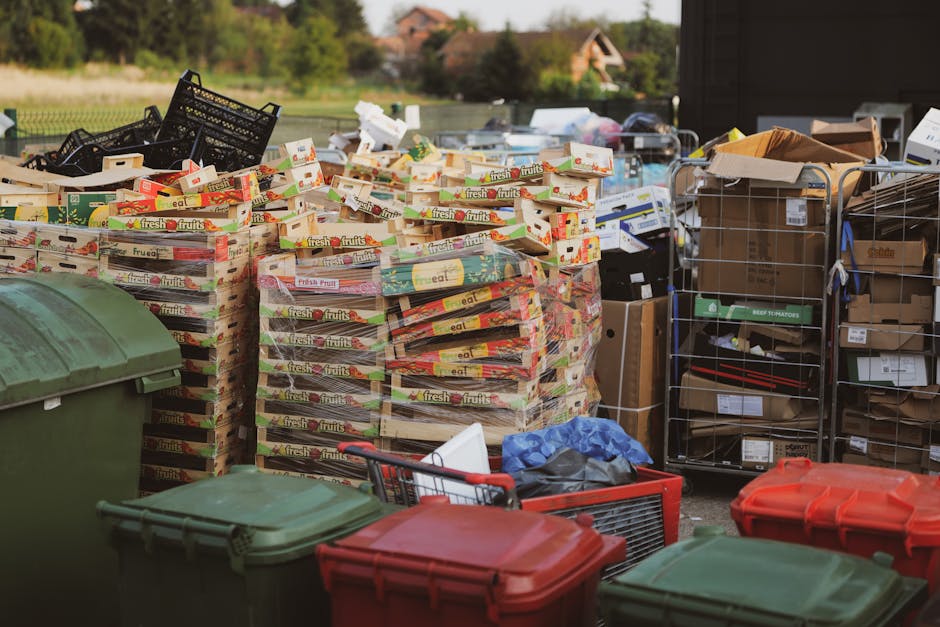
Why bulky waste disposal in Wimbledon SW19, Merton matters
Bulky waste is more than just "rubbish that is too big for the bin." It usually includes items such as mattresses, sofas, wardrobes, tables, chairs, carpets, shelving, broken appliances, and sometimes garden or office items that have reached the end of their useful life. In a busy residential area like Wimbledon, these items can quickly become a nuisance if they are left in hallways, gardens, driveways, or on the pavement.
There is also a practical side to this. Large items often need lifting, sorting, and transport planning. Some can be reused, some can be dismantled for recycling, and some need careful disposal because they contain mixed materials. If you skip that thinking stage, you can end up with wasted time, extra charges, or a collection that does not go as planned.
For homeowners, tenants, landlords, and letting agents, bulky waste disposal is usually about three things: safety, convenience, and compliance. A pile of old furniture can block access, attract complaints, and make a property look neglected. If you are preparing a home for sale, a move, or a refurbishment, clearing bulky items early can make the whole process smoother. That is especially relevant if you are already thinking about property presentation, which is why some readers also find our guides on buying homes in Merton and smart real-estate decisions in the area useful.
Key point: the best disposal option is not always the cheapest on paper. It is the one that saves time, prevents handling problems, and matches the actual type and volume of waste you have.
How bulky waste disposal works
In practice, bulky waste in Wimbledon SW19 is usually dealt with in one of a few ways: a council bulky item service, a specialist private collection, a skip, a trip to a reuse or recycling facility where permitted, or a staged clear-out for larger projects. The right route depends on the number of items, how heavy they are, whether they can be broken down, and how quickly you need them gone.
Typical workflow
- Identify what you have. Separate furniture, appliances, garden waste, general rubbish, and anything hazardous.
- Check condition. Reusable items may suit donation or resale; damaged items may need disposal.
- Measure the volume. A single sofa is very different from a full garage clearance.
- Choose a collection route. Decide between council collection, private removal, or another approved option.
- Prepare access. Move items to a safe pickup point if required and clear paths for lifting.
- Confirm what is accepted. Some services exclude fridges, mattresses, paint, plasterboard, or electricals.
Where people sometimes get stuck is assuming all bulky waste is handled the same way. It is not. A broken chest of drawers and a builder's rubble bag need different treatment. Likewise, a worn-out sofa is a different problem from an office clear-out, which is why specialist pages such as furniture disposal in Merton or builders waste disposal can be more relevant than a general waste page.
If you are dealing with several rooms at once, a broader service such as house clearance in Merton may be more efficient than booking item by item. That becomes especially useful during moves, bereavement clearances, or end-of-tenancy work.
Key benefits and practical advantages
Choosing the right bulky waste route gives you more than just a clear floor. It can also save energy, reduce risk, and help you manage the property more professionally.
- Less lifting and strain: bulky items are awkward, and the wrong lift is where many accidents happen.
- Faster room clearance: a few large items can free up space immediately.
- Better recycling outcomes: separable materials can be routed more appropriately.
- Cleaner presentation: useful for landlords, sellers, and anyone getting a property ready.
- Fewer nuisance issues: no items left outside attracting complaints or blocking access.
- Predictable planning: a scheduled collection is easier to manage than ad hoc dumping.
There is also a mental benefit that people often underestimate. Once the large items are gone, the job suddenly feels manageable. The room stops "waiting" for attention and becomes usable again. Simple, but effective.
For households looking to reduce waste overall, it is worth reading about recycling and sustainability practices so you can make better decisions before you book a collection.
Who this is for and when it makes sense
This topic matters to a wide mix of people in Wimbledon and across Merton. Some are dealing with one awkward item. Others are clearing entire properties. The right answer changes depending on the situation.
Common scenarios
- Homeowners: replacing furniture, renovating, or clearing a loft, garage, or spare room.
- Tenants: moving out and needing to remove items that will not fit in a standard bin service.
- Landlords and agents: clearing abandoned belongings between tenancies.
- Families: managing inherited goods or major decluttering.
- Businesses: replacing office furniture, filing cabinets, or broken equipment.
- Gardeners and DIYers: disposing of damaged outdoor items or project leftovers.
If your waste is mostly plants, soil, branches, or hedge cuttings, a specialist route such as garden waste removal in Merton may be a better fit. If you are clearing desks, chairs, or archived office contents, an office clearance service is usually the smarter choice.
Ask yourself one practical question: do you need a simple collection, or do you need help with the whole clearance? That answer usually points you in the right direction faster than comparing services for hours.
Step-by-step guidance
If you want a clean, low-stress result, work through the process methodically. You do not need to overcomplicate it, but you do need to be honest about the size and type of the job.
1. Sort items by type
Separate furniture, electricals, mixed household waste, garden materials, and anything with liquid, sharp edges, or specialist disposal needs. This makes it easier to choose the right service and avoid refusals on the day.
2. Decide what can be reused
Some items are not waste at all if they are still usable. A solid table, working lamp, or decent chair may suit reuse, donation, or resale. Even if you do not go down that route, the exercise sharpens your decision-making.
3. Measure and photograph the load
Measurements help more than people expect. A quick photo and rough dimensions can prevent a mismatch between your expectations and the actual collection vehicle or service conditions. This is particularly useful if your hallway or access route is narrow, which is not unusual in older Wimbledon properties.
4. Check access
Think about stairs, parking, gates, and whether items need to pass through communal areas. If access is tight, say so early. A short honest note now is better than a rushed collection later.
5. Choose the collection method
For one or two items, a targeted pickup may be enough. For multiple heavy items, a full waste collection may be more cost-effective. For whole rooms, a clearance service may be the neatest route. If you are comparing options, start with the broader waste collection in Merton page and work from there.
6. Prepare the waste safely
Remove loose contents, flatten what you can, and keep sharp or heavy items stable. Do not attempt unsafe dismantling unless you are certain it is manageable.
7. Confirm the outcome you want
Is your goal simply removal, or do you also want recycling, sorting, and a tidier finish? Good planning avoids disappointment. The best collection is the one that leaves no loose ends.
Expert tips for better results
A few small adjustments can make a bulky waste job noticeably easier. These are the details people often miss when they are in a hurry.
- Group similar items together. This helps with loading and may improve recycling efficiency.
- Keep one access route clear. The fastest way to slow a collection is a hallway full of obstacles.
- Remove drawers and loose parts. Lighter, separated pieces are easier to handle than one awkward lump.
- Avoid mixing hazardous materials. Paint, chemicals, and certain electrical items should be checked separately.
- Use local services with clear policies. Transparent terms matter, especially for access, payments, and cancellation conditions. If you want to understand service standards before booking, a quick look at the terms and conditions is never wasted time.
- Ask about recycling routes. Not everything needs to become general waste.
In our experience, the smoothest jobs are the ones where the customer has already decided what stays and what goes. That decision sounds obvious, yet it is where many projects stall for a week.
If you care about responsible disposal, it also helps to review a provider's company background and approach. Trust is easier to build when the service explains what it does and how it works.

Common mistakes to avoid
Bulky waste problems are often caused by one of a handful of simple mistakes. Avoiding them saves time and reduces the chance of extra charges or rejected items.
- Leaving items on the pavement without checking local rules. This can create complaints or enforcement issues.
- Underestimating volume. What looks like two items can become a much larger load once stacked.
- Mixing waste streams. A pile of mixed materials is harder to sort and may cost more.
- Ignoring access issues. Tight staircases and limited parking matter more than people expect.
- Forgetting about special items. Fridges, mattresses, and electricals can have separate handling needs.
- Booking too late. If you need the space cleared before a move or viewing, leaving it to the last minute is stressful and expensive.
A related mistake is assuming every service includes the same level of handling. Some jobs require lifting from inside the property, some only collect from outside, and some need advance sorting. Make sure the service matches your actual situation, not the ideal version of it.
Tools, resources and recommendations
You do not need a warehouse of equipment to handle bulky waste well, but a few basic tools help.
Useful tools
- Gloves with a good grip
- Strong sacks or reusable bags for loose contents
- A tape measure for doors, hallways, and item sizes
- A phone camera for quick photos
- Basic screwdriver or hex key set for light dismantling
- Blankets or cardboard to protect floors and walls during movement
Helpful resources
For people wanting a better overview of the service landscape, the services overview is a useful starting point. If you are planning a larger project and want to keep costs under control, take a look at the pricing and quotes information so you can compare value sensibly rather than guessing.
If payment security matters to you, as it should, the provider's payment and security details are worth reading before you confirm anything. That is especially true for higher-value clearances where advance booking is involved.
For readers interested in how waste handling fits into broader responsible practice, the page on recycling and sustainability adds useful context. And if you are the kind of person who likes to know how a place works before using a local service, the local area pieces about what locals really think about Merton and Merton's quieter appeal are a nice side read, if nothing else.
Law, compliance, standards, and best practice
For bulky waste, the main compliance concern is making sure waste is handled by a legitimate, responsible route. In the UK, householders and businesses should be careful about who takes the waste away, where it ends up, and whether the service is operating properly. You do not need to become a legal expert to make a safe choice, but you should understand the basics.
Good practice usually includes:
- Using a reputable provider with clear service terms
- Keeping waste separate where possible so recyclable materials can be recovered
- Avoiding unsafe storage or dumping near communal access routes
- Being honest about the contents so the collection can be completed safely
- Checking insurance and handling standards when the job involves lifting, stairs, or difficult access
If a company is entering your property, handling large items, or working around shared spaces, it is sensible to review its insurance and safety information. That is not over-cautious; it is just sensible risk management.
One more thing: if you are disposing of business waste, the expectations are usually stricter than for a one-off household clear-out. In that case, keep records, confirm what is included, and make sure the service is appropriate for the waste type. It saves headaches later.
Options and comparison table
Different bulky waste scenarios call for different methods. The table below gives a practical comparison rather than a theoretical one.
| Option | Best for | Advantages | Limitations |
|---|---|---|---|
| Council bulky waste service | One-off household items | Simple for small jobs, familiar process | May have item limits, booking lead times, or restricted collections |
| Private bulky waste collection | Faster, flexible pickups | Convenient, tailored to access and volume | Costs vary by load size and item type |
| House clearance | Multiple rooms or full-property clear-outs | Efficient for large jobs, less stress for the customer | May be unnecessary for very small volumes |
| Furniture-specific removal | Sofas, beds, wardrobes, desks | Good for heavy, awkward pieces | Less suitable if you have mixed waste |
| Garden waste removal | Green waste and outdoor debris | Better separation and routing | Not ideal for general household items |
If you only have one or two items, a focused collection may be all you need. If you are clearing a rental property after a tenancy, or you have mixed waste plus old furniture, a more comprehensive service is usually better value and less disruptive.
Case study or real-world example
Consider a typical Wimbledon flat clear-out. A resident has a three-seater sofa, a mattress, a coffee table, two broken chairs, and a few bags of household bits left after a move. At first glance it looks like "just a few things." In reality, the sofa is awkward to carry, the mattress is bulky, the chairs are loose and unstable, and the household bags add extra handling time.
The sensible approach is to sort the load into categories before booking. The sofa and mattress can be handled as furniture items, the coffee table and chairs can be added if they fit the service rules, and the loose household items can be checked to see whether they belong in the same collection. If the resident has narrow stair access and limited parking, a provider that understands local access problems is worth more than the cheapest option on paper.
Now imagine the same property after the collection. The hallway is clear, the living room is usable again, and the move can continue without the stress of stepping around old furniture. That is the actual value here. Not just removal, but momentum.
For larger or more complex clearances, a tailored service such as furniture disposal or a full house clearance may be the smarter route than trying to handle each item separately.
Practical checklist
Use this checklist before you book or move anything outside.
- List every bulky item you want removed
- Separate reusable items from true waste
- Measure the biggest pieces
- Check stairs, doors, parking, and access routes
- Identify anything special such as electricals or hazardous contents
- Decide whether you need item collection or full clearance
- Confirm payment terms, timing, and accepted materials
- Make sure pathways are safe and clear
- Take photos if you want a smoother quote process
- Keep any required documents or confirmations
If you can tick most of those boxes, the job is usually much easier than it first appears. A little prep saves a surprising amount of time.
Conclusion
Finding where to leave bulky waste in Wimbledon SW19, Merton is really about choosing the right disposal route for the items you have, the space you are working in, and how quickly you need the area cleared. For a single awkward item, a straightforward collection may be enough. For mixed loads, heavy furniture, or whole-property clear-outs, a more complete service is usually the calmer and more efficient answer.
The best results come from simple habits: sort first, measure what matters, be honest about access, and choose a service that matches the job rather than hoping the job will shrink itself. It rarely does.
Get a free quote today and see how much you can save.

 Tipper Van - Rubbish Collection and Waste Collection Prices in Merton, SW19
 Luton Van - Rubbish Collection and Waste Collection Prices in Merton, SW19


